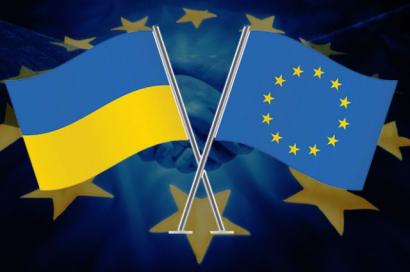
Наша держава пройшла складний та кривавий шлях довжиною у 9 років, щоб це нарешті сталося – 23 червня 2022 року Україна офіційно отримала статус кандидата на вступ в ЄС. Європейський парламент ухвалив резолюцію, в якій закликав глав держав та урядів Євросоюзу невідкладно надати Україні статус кандидата на членство в ЄС. Відповідний документ підтримали 529 депутатів.
"Сьогодні вдалий день для Європи. Вітаю президента України Володимира Зеленського, президента Молдови Маю Санду і прем'єр-міністра Грузії Іраклія Гарібашвілі. Ваші країни є частиною нашої європейської родини. І сьогоднішнє історичне рішення лідерів це підтверджує",- написала у своєму Твіттері президентка Єврокомісії Урсула фон дер Ляєн.
Це історичний момент, рішення, яке точно змінить вектор розвитку не тільки нашої країни, але й усієї Європи, адже, незважаючи на виснажену війну, Україна – багата ресурсами країна та потужний гравець на міжнародній арені. І для Європи це важливе стратегічне рішення, адже Україна може зробити значний внесок в декарбонізацію європейської енергетики. Це також підтвердив Міністр енергетики Герман Галущенко: «Ми є одним з лідерів в Європі з виробництва безвуглецевого енергоміксу. На сьогодні 70% виробництва електроенергії в Україні є вуглецево нейтральним. Якщо порівняти це з країнами Європейського Союзу, то минулого року середній показник по Європі з точки зору вуглецевої нейтральності був 63%. Україна йде попереду багатьох країн Європейського Союзу», - зауважив міністр.
Тепер Україна ще більше пов’язана з Європою, ми маємо багато загальних цілей, одна з яких – The European Green Deal, мета якого – зробити європейський континент кліматично нейтральним. В умовах агресивної війни рф проти України та енергетичного шантажу з боку агресора країн Європи, перехід на відновлювальну енергетику – це один з реальних виходів з ситуації. Про це неодноразово наголошував й виконавчий віце президент Єврокомісії з питань Європейського «зеленого» курсу Франс Тіммерманс. Він зауважив, що треба якомога скоріше інвестувати у ВДЕ, щоб уникнути залежності від росії. І забезпечити ЄС стабільною доступною енергією вийде за рахунок розвитку сонячних, вітрових та інших безпечних для нашої планети електростанцій.
Завдяки синхронізації з європейською енергосистемою та статусу кандидата ЄС маємо значні перспективи щодо експорту «зеленої» енергетики в країни Євросоюзу. Над цим зараз активно працює керівництво держпідприємства на чолі з в.о. директора Андрієм Пилипенко: «Для порятунку галузі ВДЕ Україні слід пріоритезувати експорт саме «зеленої» енергетики в країни ЄС. Від цього кроку виграють усі: і країни ЄС, і Україна, і інвестори. Ми не тільки просимо Євросоюз відмовитись від енергії з російських викопних джерел, ми ще й пропонуємо свою екологічно чисту електроенергію. Та й інвестори у ВДЕ отримають повністю зрозумілий для них ринок збуту – європейський».
Our country has come on a long and bloody nine-year journey to finally make it happen — on June 23, 2022, Ukraine officially got the status of a candidate for EU membership. The European Parliament adopted a resolution calling on the EU Heads of State and Government to immediately grant Ukraine candidate status. The corresponding document was supported by 529 MEPs.
"Today is a good day for Europe. Congratulations to President of Ukraine Volodymyr Zelensky, President of Moldova Maia Sandu and Prime Minister of Georgia Irakli Gharibashvili. Your countries are part of our European family. And today's historic decision by Leaders confirms this," the president of the European Commission Ursula von der Leyen wrote on Twitter.
This is a historic moment, a decision that will definitely change the vector of development not only of our country, but of the whole of Europe, because, despite the exhausting war, Ukraine is a resource-rich country and a powerful player in the international arena. And for Europe, this is an important strategic decision, because Ukraine can contribute significantly to the decarbonisation of European energy. This was also confirmed by the Minister of Energy German Galushchenko. “We are one of the leaders in Europe in the production of carbon-free energy mix. Today, 70% of electricity production in Ukraine is carbon neutral. If we compare this with the countries of the European Union, last year the average in Europe in terms of carbon neutrality was 63%. Ukraine is ahead of many countries of the European Union," the minister said.
Now Ukraine is even more connected to Europe — we have many common objectives, one of which is The European Green Deal, which aims to make the European continent climate neutral. Amid aggressive war of the Russian Federation against Ukraine and energy blackmail of the European countries on the part of the aggressor, transition to renewable energy is one of the realistic ways out of this situation. This was repeatedly stressed by the European Commission Executive Vice President for the European Green Deal, Frans Timmermans. He noted that it is necessary to invest in renewable energy sources as soon as possible to avoid dependence on Russia. And the provision of the bloc with stable and affordable energy will come through the development of solar, wind and other power plants that are safe for our planet.
Due to the synchronization with the European energy system and the EU candidate status, we have significant potential for the export of "green" energy to the European Union. The management of the state enterprise headed by the acting director Andriy Pylypenko is now actively working on this: “In order to save the RES industry, Ukraine should prioritize the export of ‘green’ energy to EU states. It is a universally beneficial step for the EU countries, Ukraine and investors. We are not only asking the European Union to give up energy from Russian fossil sources, we are also offering our environmentally friendly electricity. And investors in RES will get a market that is completely clear to them — the European market."